Advancing Human Understanding
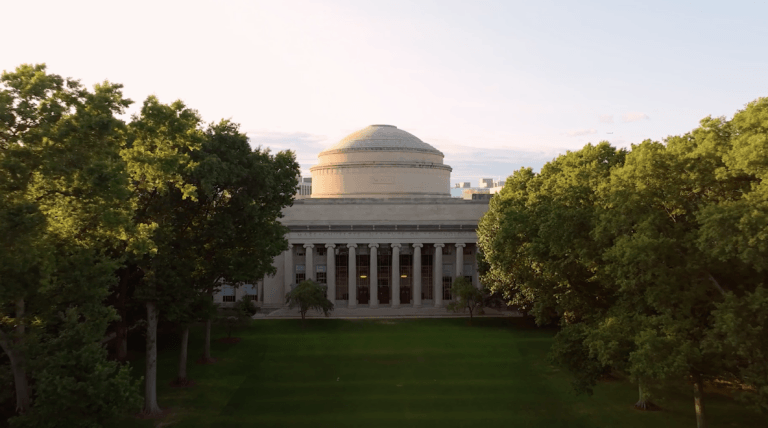 MIT SHASS: Celebrating 75 Years
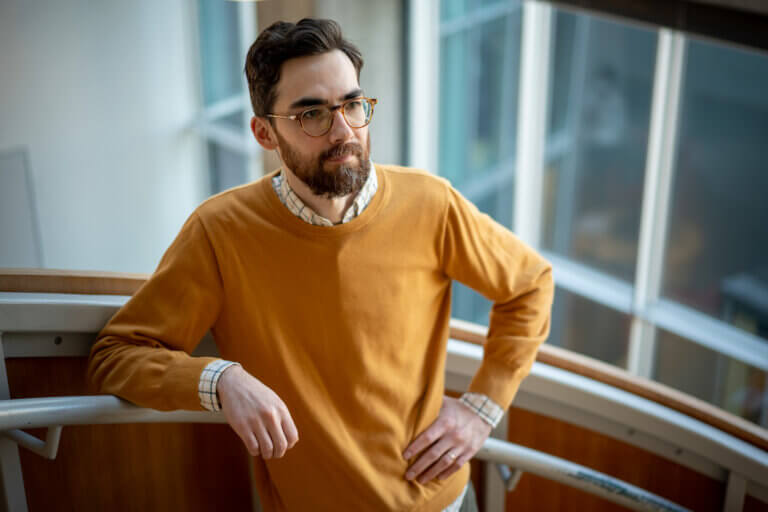
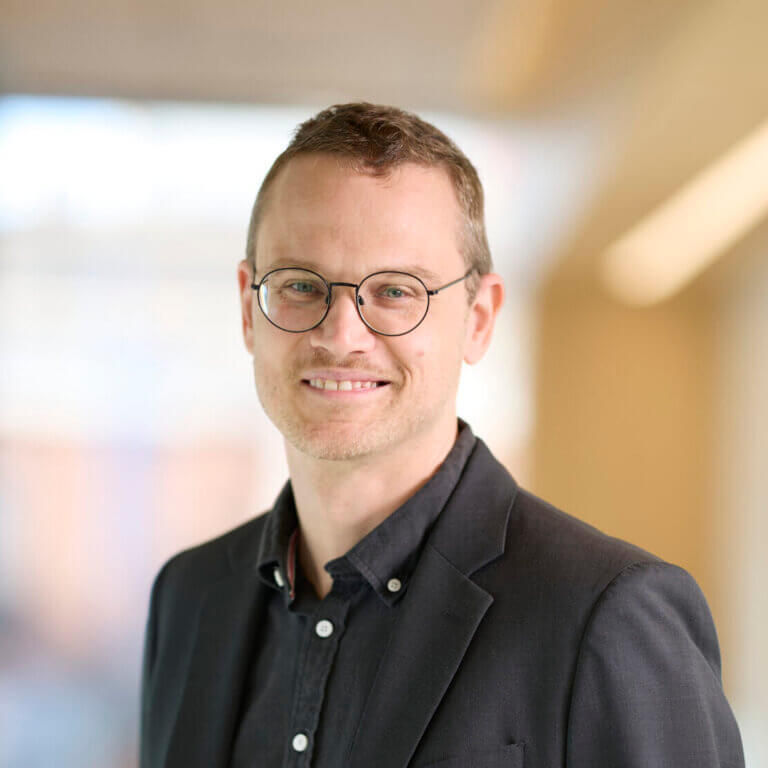 Meet the Professor: Benjamin Lindquist
World-class
research
Without human understanding, there is no understanding. We are home to scholars and artists doing transformative work in fields vital to addressing the world’s most important challenges. Our faculty develop the values, vision, and ethical compass of tomorrow’s leaders.
AI is transforming society in profound ways. We’re at the forefront of exploring the economic, political, and ethical implications of this technology.

The effects of an “algorithmic monoculture” depend on the details
MIT philosopher Brian Hedden co-authored research arguing that the use of a single hiring algorithm by multiple firms, known as algorithmic monoculture, is less problematic for job seekers than past research has shown, and may even be a good thing.
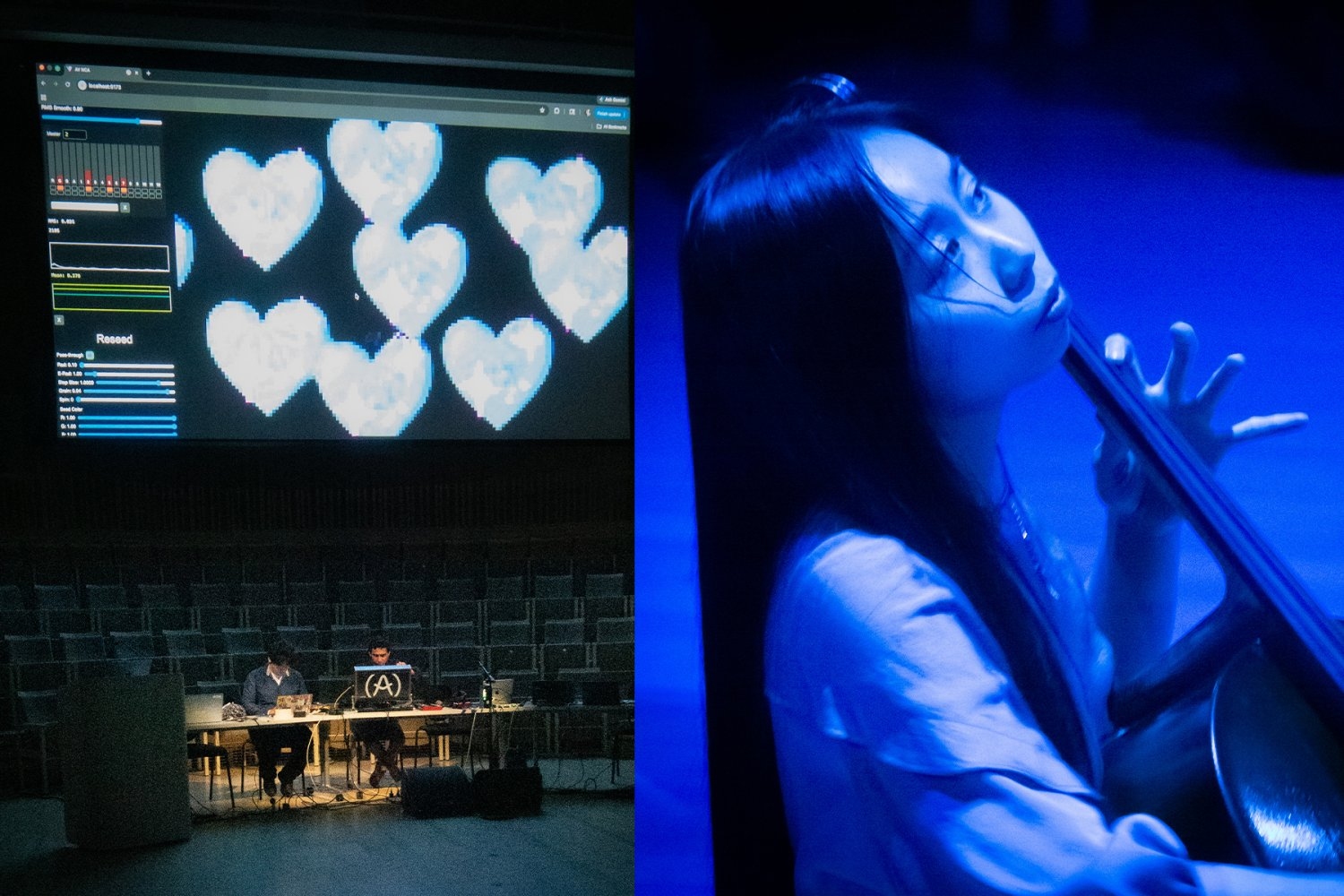
Seeing sounds
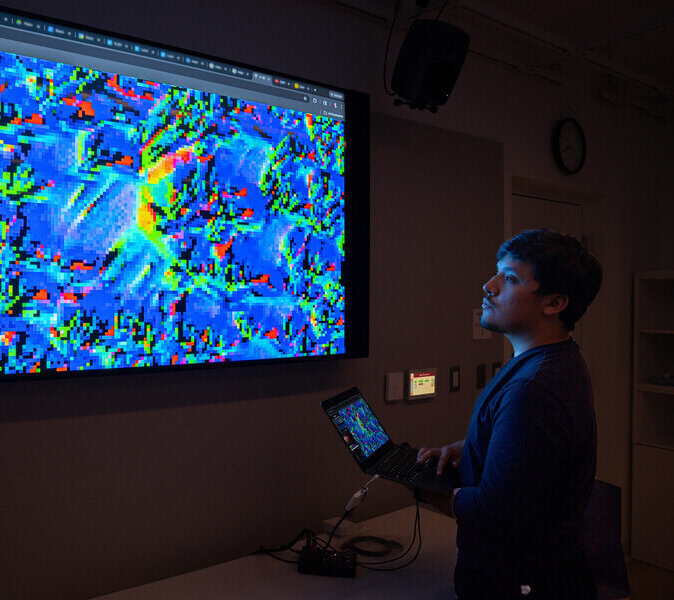
Mariano Salcedo SB ’25, SM ’26, an alumnus of MIT’s undergraduate artificial intelligence and decision making program and music technology and computation graduate program, is designing an AI to visualize and express music and other sounds. “I want users to feel movement and explore sounds and their impact more fully,” he says.
Our faculty are among the world’s leading experts in their fields. Here you’ll find a selection of recent publications from SHASS scholars.


Stories from the steel mills: A model for sharing workers’ histories
MIT anthropologist and program head Chris Walley developed a project for people in Southeast Chicago to tell their histories — an approach any community can adopt. “People tend to experience history in their day-to-day lives not through books written by experts, but by telling stories around family objects and photos,” Walley says.
Following the questions where they lead
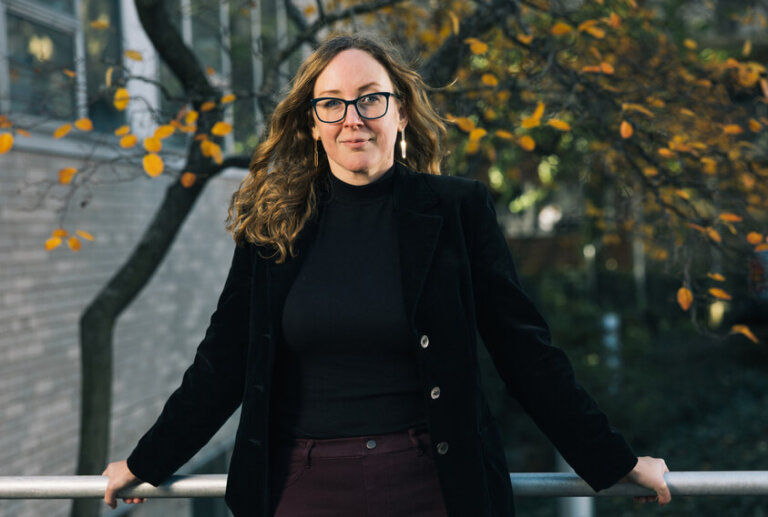
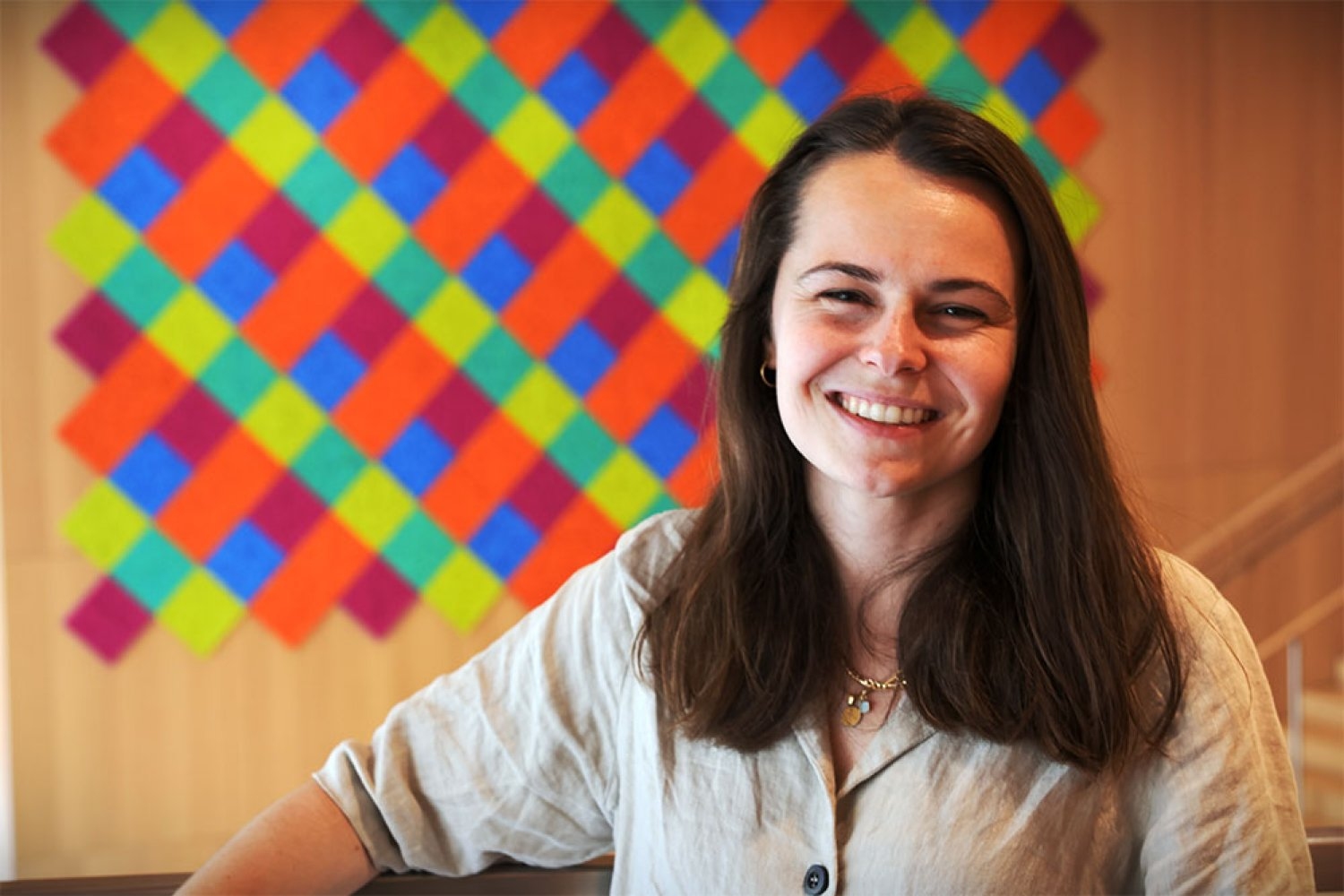
Assistant Professor Bailey Flanigan has arrived at complex computational methods for helping democracy thrive. “My trajectory across disciplines was just a result of me chasing down the problems I felt were most pressing or inspiring at the time,” she says.
MIT graduates share how their SHASS education prepared them to take on the world’s greatest challenges.
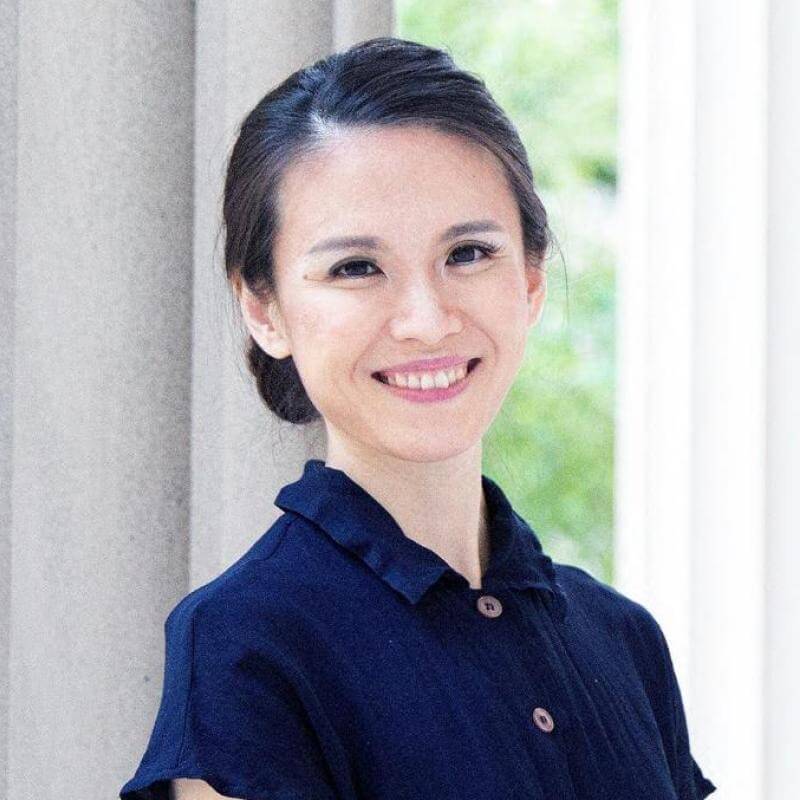
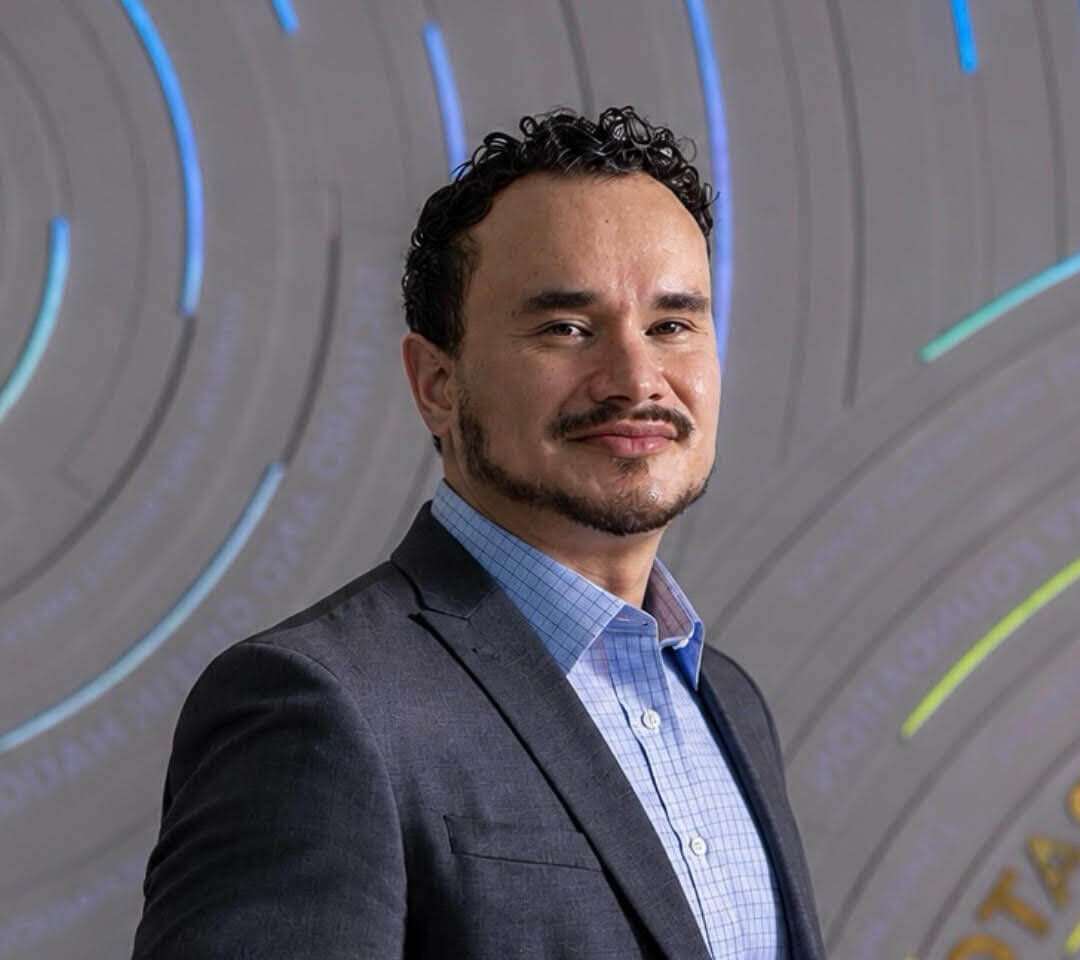
Guadalupe Hayes-Mota ’08, MBA ’16, SM ’16
MBA ’16
SM Engineering Systems ’16
SB Literature ’08 (Course 21L)
SB Chemistry ’08 (Course 5)
“Science taught me how bodies work; literature taught me how people think, suffer, hope, and make meaning.”
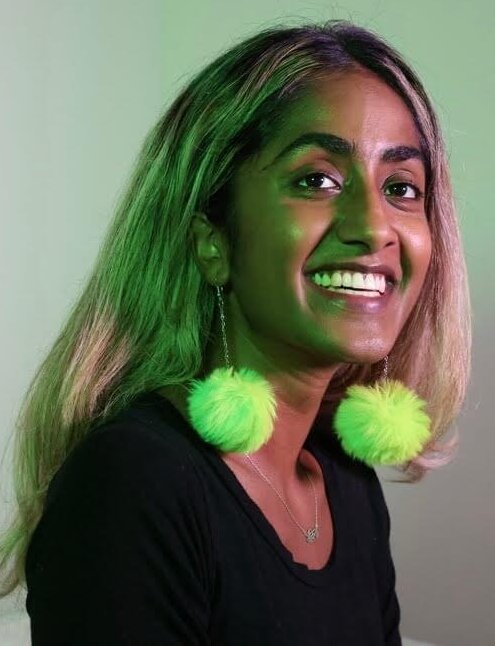
Ankita Reddy ’19
Anthropology (Course 21A)
Biology (Course 7)
“My classes, discussions, and connections fostered through SHASS taught me the value of deep listening, priming me to ask difficult questions about technological solutions (and to have the courage to do so).”
Broadening student minds
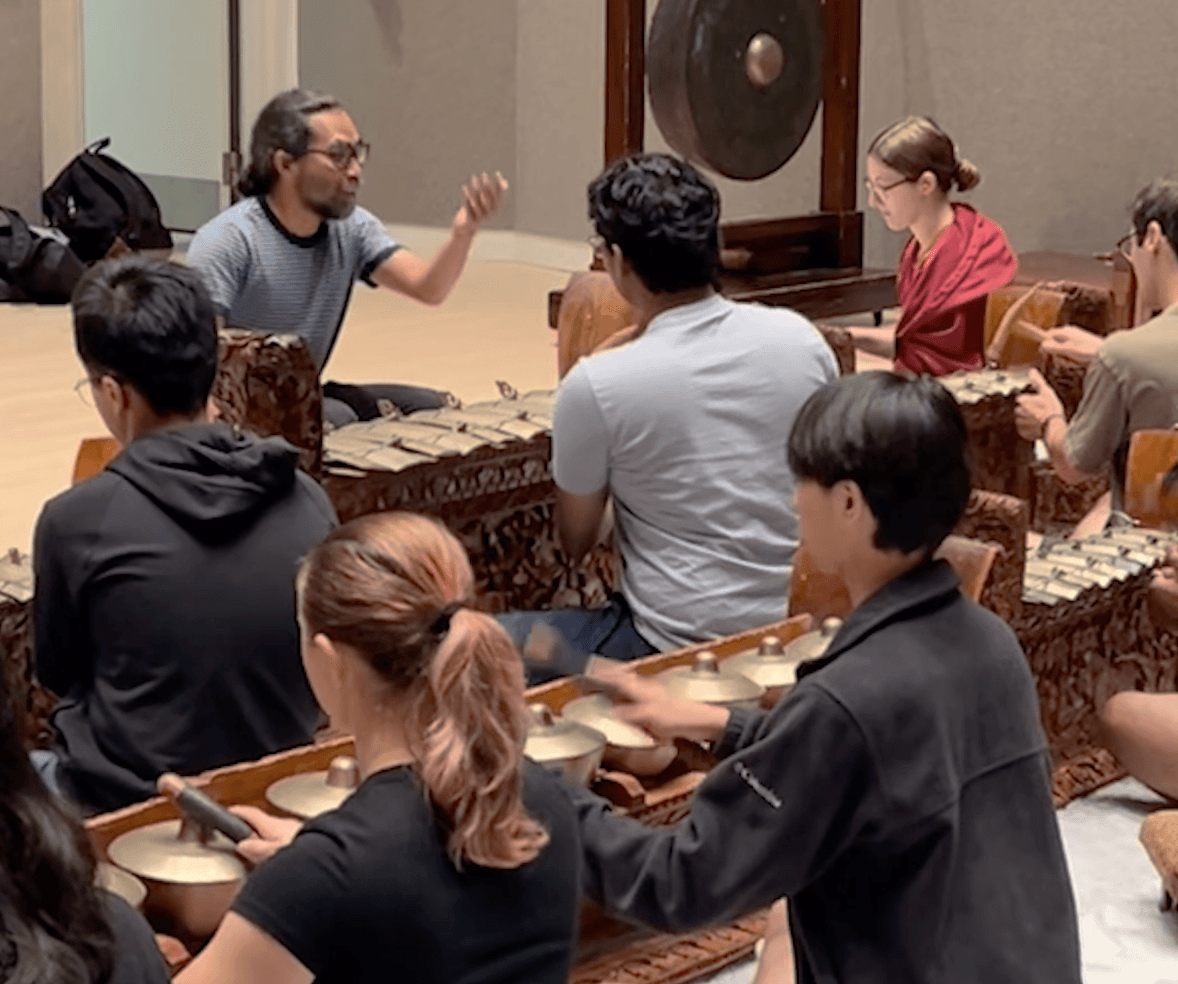
If you want to make the world a better place, you need to understand how it works. SHASS plays an essential role at MIT, ensuring our students have a deep understanding of the human implications of the world’s biggest challenges.

Latest news from SHASS
Our work has broad impact at MIT and across the globe. Read the latest about new ideas coming out of SHASS.

J-PAL North America launches Homelessness Evaluation Resource Hub to drive evidence-informed approaches to housing stability
The hub serves as a free, online repository of essential content for policymakers, practitioners, and researchers seeking to leverage rigorous research to inform their approaches to homelessness.
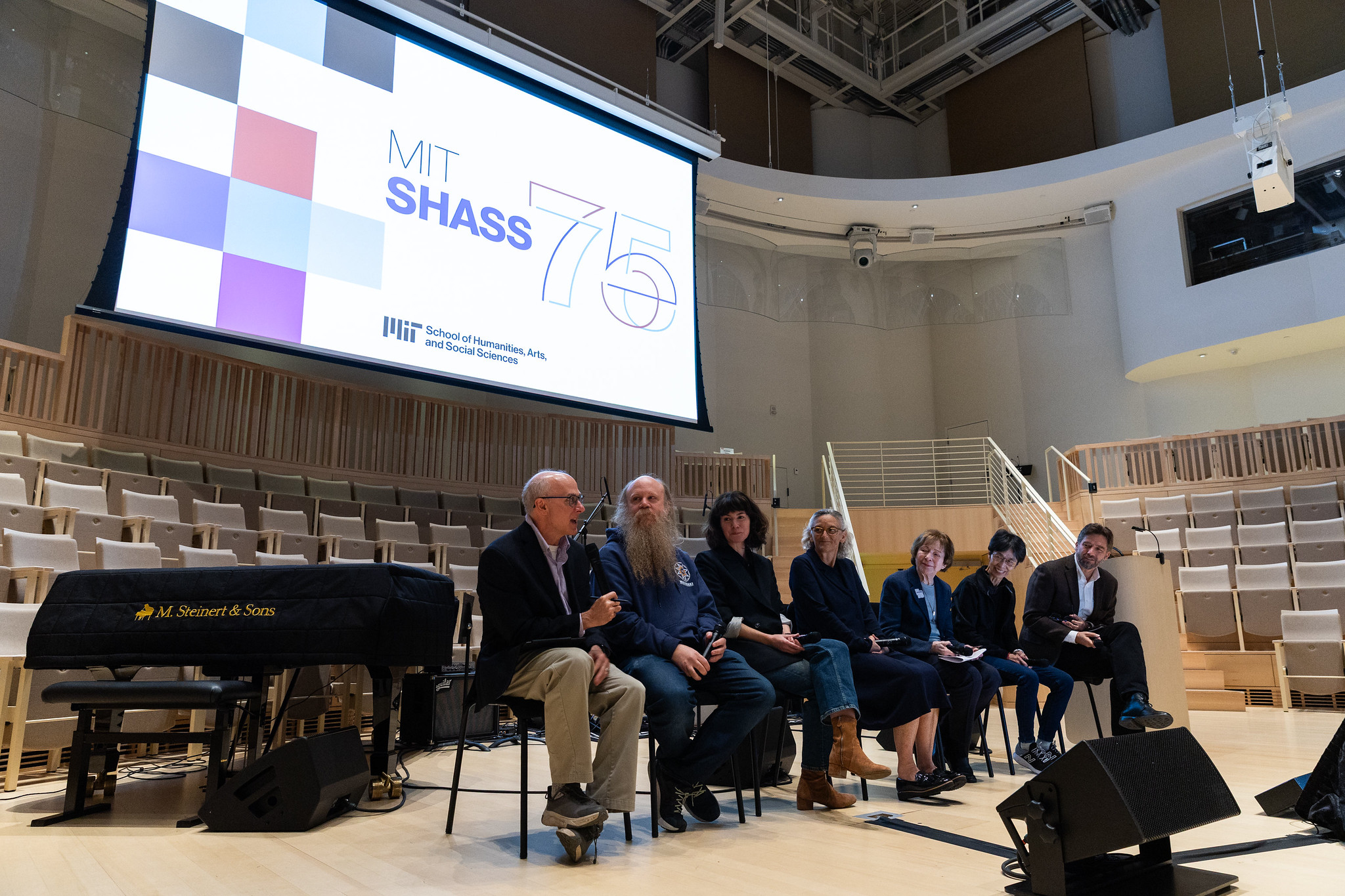
Reinforcing the value of human understanding at MIT
During the School of Humanities, Arts, and Social Sciences’ 75th Anniversary Symposium, President Sally Kornbluth said “MIT has never needed your particular insight and guidance more than we do now.”
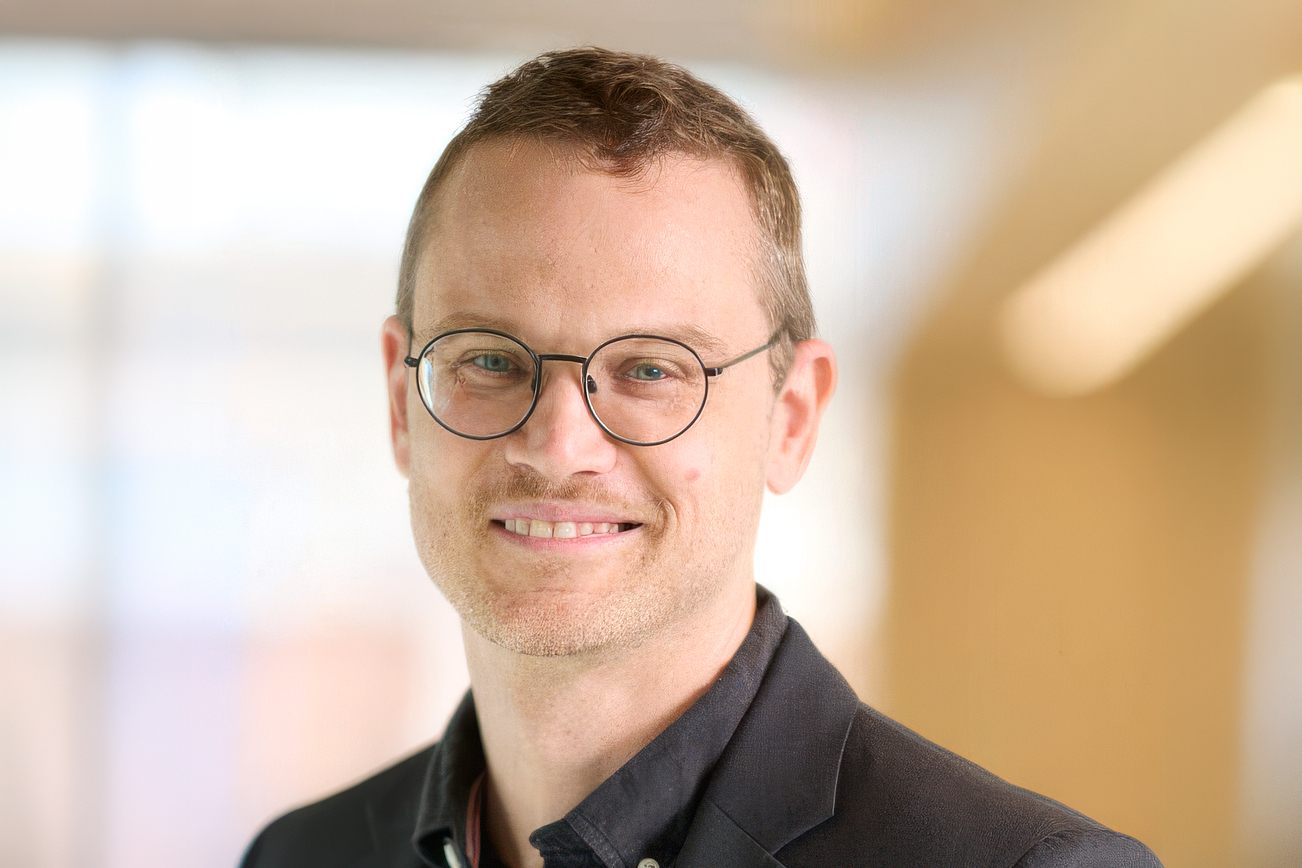
Q&A: How AI came to model the “messy” human mind
Assistant Professor Benjamin Lindquist studies how engineers deliberately injected randomness into early AI, giving rise to deep-learning models that sometimes hallucinate.
In the media
What’s behind the early voting surge? It’s more than voter enthusiasm, expert says
More Democrats are voting in person after Trump’s threats about mail ballots
MIT economist warns AI could triple unemployment
Mass AI job displacement could be detrimental to democracy, says MIT Professor Daron Acemoglu
SHASS videos
SHASS 75th Anniversary Symposium: Justin Khoo on the value of humanities education at MIT