Visionary generosity, a model of impact
The late Neil Pappalardo’s care and love for MIT remain transformative.
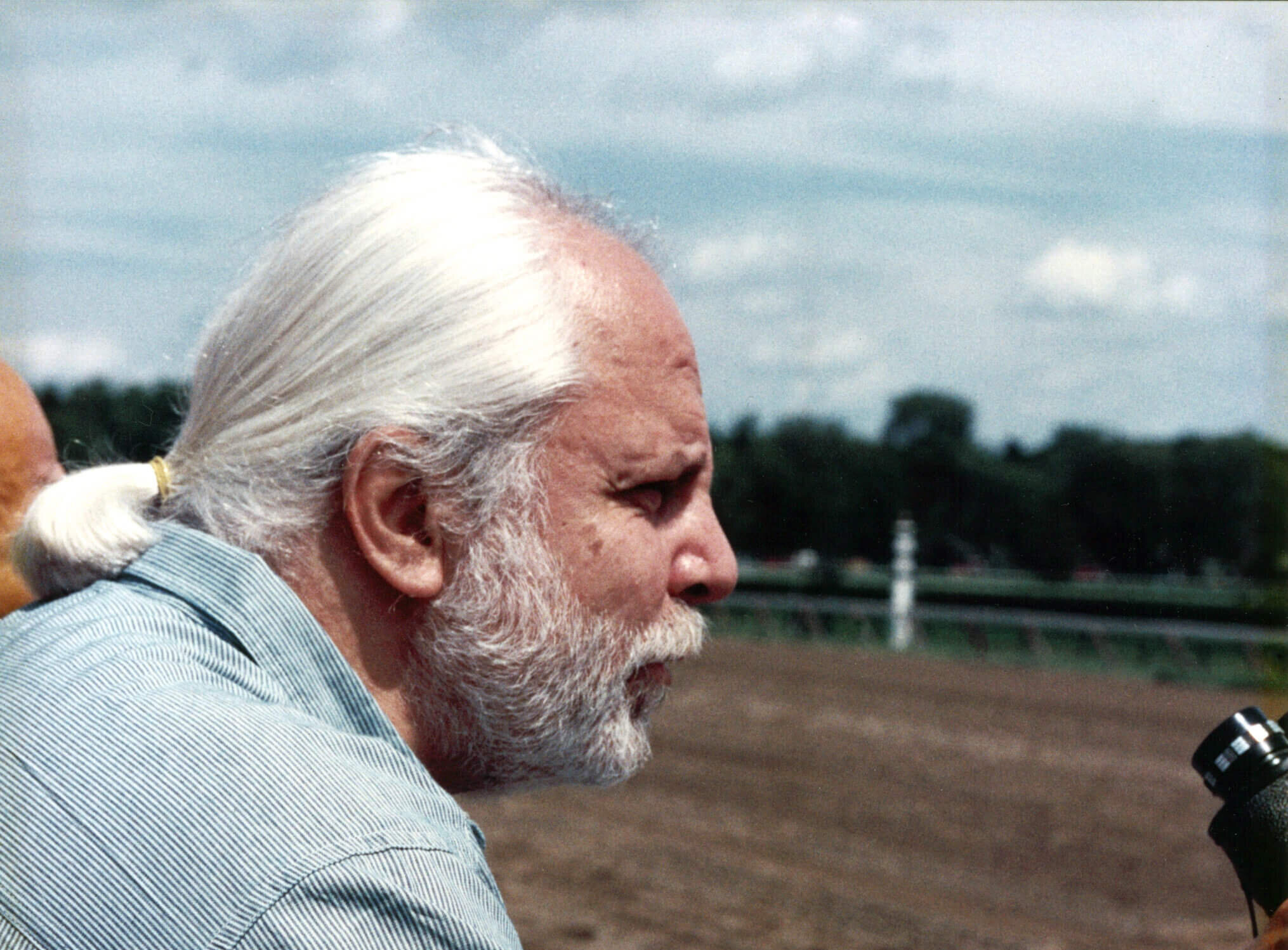
Follow your passion and make it your life’s work. Remain confident in your abilities and do not waver in the face of skepticism or adversity. And above all, should you come to be rewarded for your hard work and dedication, never forget your obligation to your family, to your university, and to your society. – Neil Pappalardo ’64
As a grade-schooler growing up in the early 1950s in Fairport, New York, Neil Pappalardo’s passion for how anything mechanical worked led him to become the family handyman. “It was easy to repair lamps with frayed wires and I even attempted to rewire my mother’s electric stove,” Pappalardo said. By age nine his intense curiosity for all things mechanical led to a prescient conversation with a distant relative who was an engineer and graduate of MIT. “I asked him many questions about how things worked and he seemed to know everything,” Pappalardo recalled.
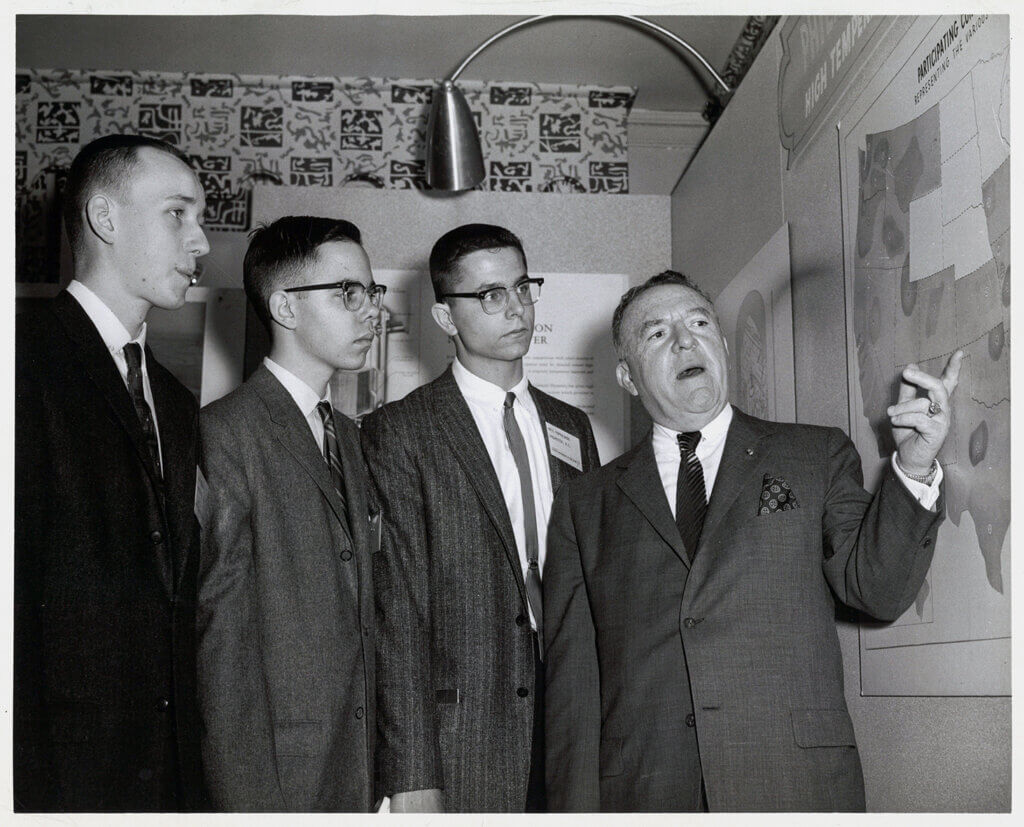
It was the first time he had ever heard of MIT. A few years later upon arriving at high school Pappalardo declared MIT his academic destination of choice. The pathway to MIT became more clear when he entered the Westinghouse Science Talent Search, a research-based science competition. In addition, his major high school project was to develop a method to determine the rate at which a cancer grows. He also built a radiation detector and conducted research at Strong Memorial Hospital at the University of Rochester.
Four years later, now a senior at MIT, Pappalardo turned back to medical research for his thesis, which involved the development of a device to detect and characterize arrhythmia. Shortly after his MIT graduation Pappalardo was contacted by a medical device company who offered to commercialize his new gadget. “My first exposure to the creative process,” he said, “was complete.”
These formative medical design experiences shaped Pappalardo’s talent for problem solving and his passion for betterment—two hallmarks of his later work as a renowned philanthropist.
Freshly graduated from MIT, he married Jane Langevin, who was finishing her piano performance degree at Boston University’s School of Fine Arts. The lure of the medical profession continued and he joined a research group at Massachusetts General Hospital (MGH), an environment he quickly discovered was in need of administrative troubleshooting. He put all his energies into learning everything he could about hardware and software to create a computer system that could, as he put it, “orchestrate the [often error-prone] various clinical processes.”
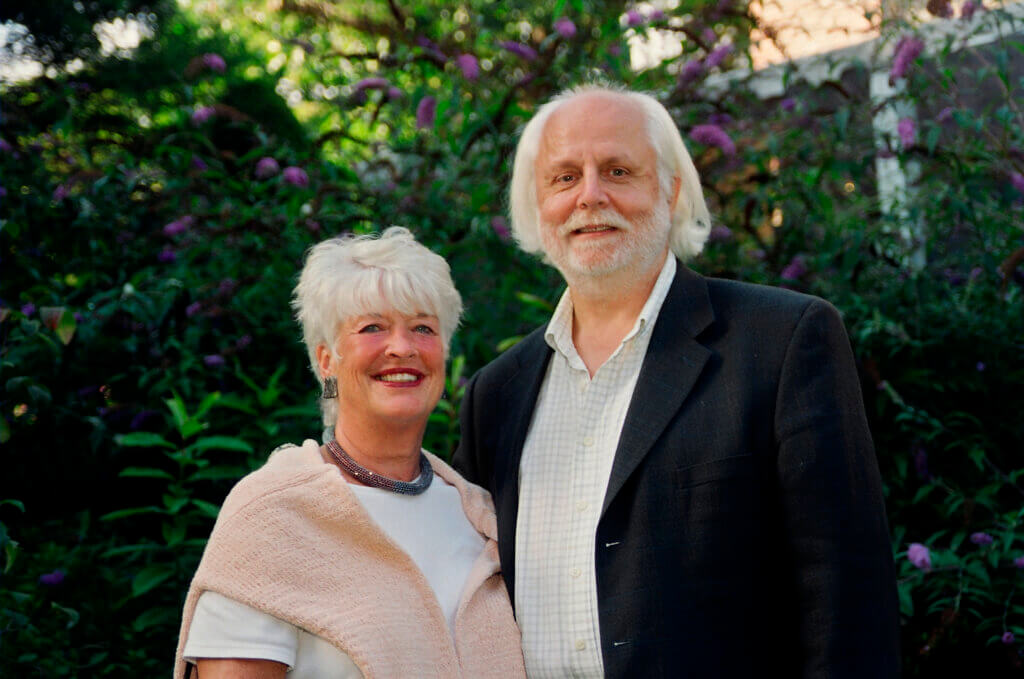
With a small computer, six terminals, and a lone printer, Pappalardo and two programmers trained the MGH laboratory personnel on how to operate this burgeoning software automation system. Eventually he co-created MUMPS, (MGH Utility Muti-Programming System), which was instrumental in launching the Electric Health Recording industry (EHR).
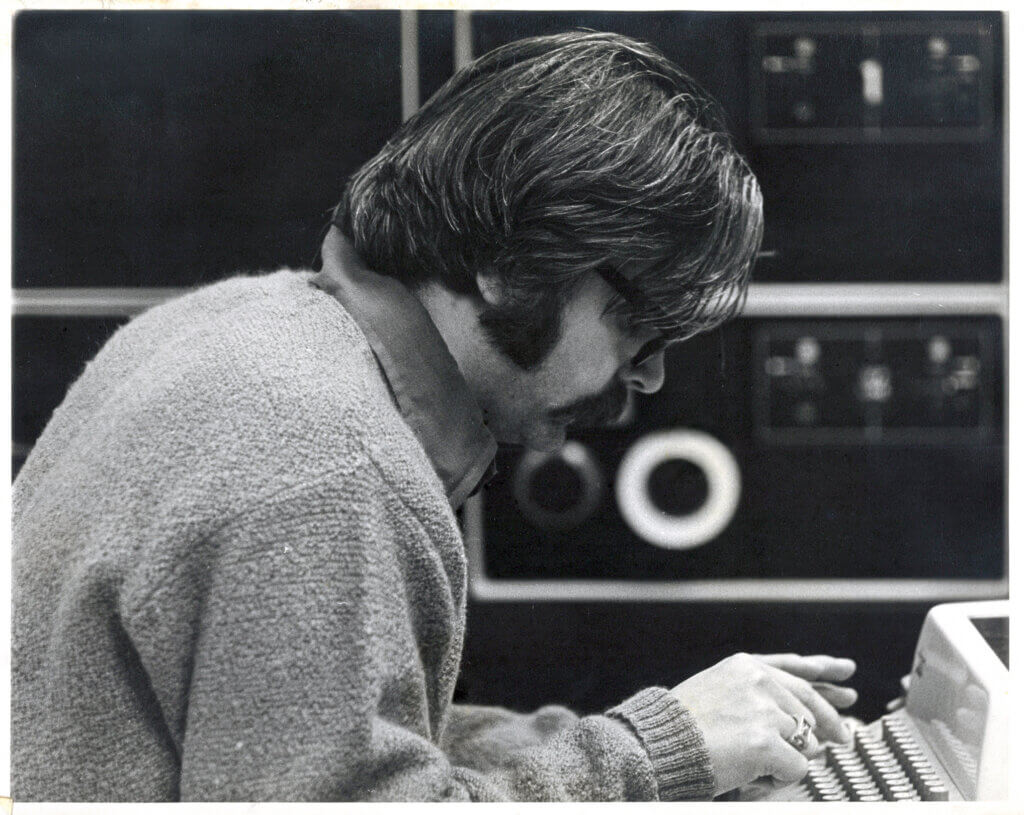
By 1968, the 26-year-old father of three with a fourth child on the way, realized the time had come to form his own company. With much effort and tenacity MEDITECH was born on August 4, 1969, the same day as daughter, Missy. MEDITECH rose from a few employees in a tiny Cambridge office to “become one of the largest and first fully integrated EHR vendors in the industry, today supporting over 2,000 customers across 29 countries,” as noted in MEDITECH’s A Tribute to A. Neil Pappalardo.
In the 1990s, Pappalardo developed a second life at MIT as a mentor, strategist, philanthropist, and overall beloved community member, re-igniting his passions for physics, astrophysics, mechanical engineering, and, with guidance from his artistic wife Jane, the arts and humanities.
“The main reason I give back to the Institute,” Pappalardo reflected in 2008, “is because it was fundamentally important to my success. I devote much of my time to MIT, making whatever contribution I can to help it maintain its world class status. Believing it important to give back, not only to my alma mater but to society in general, I also contribute financially to a wide range of cultural, educational, and social service organizations within the greater Boston area. Jane and I feel incredibly fortunate to be able to make a difference in our community.”
The transformative impact of the Pappalardos’ support at MIT for over 30 years is vast, and among many areas, includes: the celebrated Pappalardo Fellowships in Physics, the world-class Magellan optical telescope observatory in Chile, the Green Center for Physics, Mechanical Engineering’s Pappalardo Lab, substantial resources for junior faculty and students, professorships, curricula-altering support for Music and Theater Arts, and enabling MIT Video Productions of Open Learning, to tell the stories of MIT’s past, present, and future.
A critical facet of the Pappalardos’ support has always been their time investment in MIT. Asking questions about what the institution needs, listening, going to lectures and concerts, and taking joy in participating in the myriad facets of MIT life enabled by their philanthropy. And offering key advice.
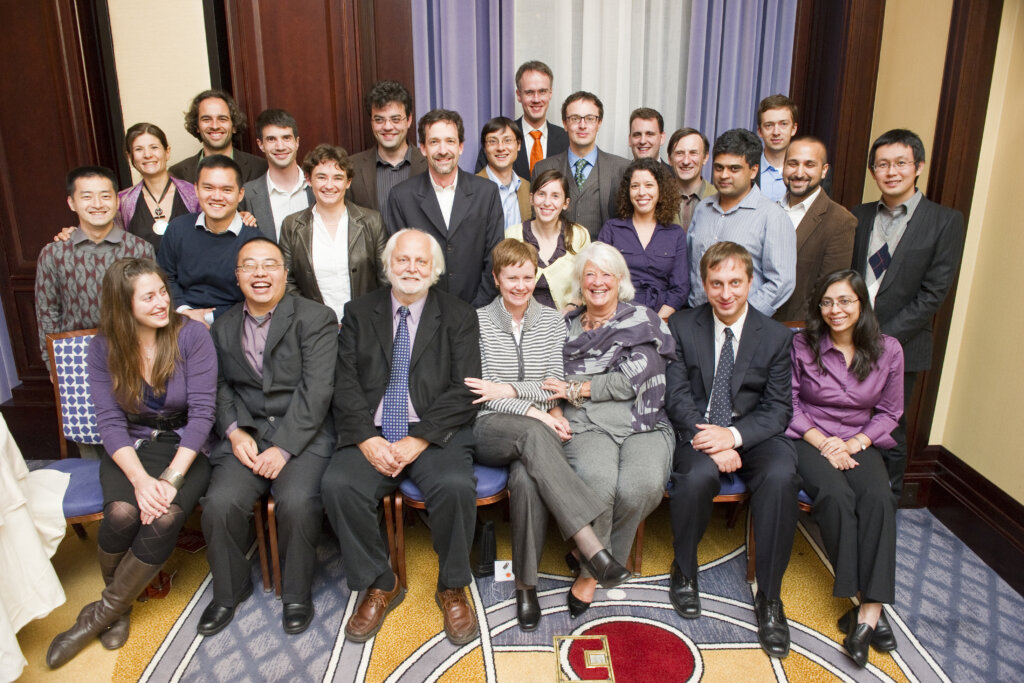
A life member emeritus of the MIT Corporation, Neil Pappalardo was a member of the Corporation’s Executive Committee for an extraordinary 21 years, from 1996 to 2017. He also served on four visiting committees (MechE, the Libraries, EAPS, and Physics), and was a member of both the School of Engineering and School of Science Dean’s Advisory Councils. Jane Pappalardo is a life member of the Council for the Arts at MIT, having served as chair and on the Executive Committee.
“When you give of your time and your ideas,” explains MIT Dean of Science Nergis Mavalvala, “that’s more timeless than almost anything else you could give. Neil has guided departments to be better than they were.”
“Neil was loved by everyone at MIT who knew him, which means almost everybody,” noted MIT’s 17th president L. Rafael Reif, who worked closely with Pappalardo over many years. “He was loved because he loved MIT and the people of MIT unconditionally, and it showed. To me, he was like a long-lost uncle: always caring, always supportive, always special. I miss him deeply.”
Former MIT Vice President, Kirk Kolenbrander spoke of Pappalardo’s qualities of caring and encouragement:
“Neil could command the attention of an entire room, but the remarkable thing was how much attention he was paying to everyone else. Behind the opinions and the humor, he was noticing who needed encouragement, who needed guidance, and where he could help—often quietly, behind the scenes. That was the mentor I knew, and I was one of many. He taught me to recognize authenticity and move toward it. For all his presence, his deepest interest was in other people. He took them enormously seriously, and himself much less so.”
“Neil’s generosity is unparalleled,” said MIT Professor of Physics and Planetary Science Sara Seager, “it weaves throughout the entire fabric of the Institute.”
“It would be an understatement to say that Neil and Jane Pappalardo’s impact on the arts at MIT has been extraordinary,” notes Kenan Sahin Distinguished Professor of Music Evan Ziporyn. “Just within Music and Theater Arts, their support has enriched the artistic experience of all of us—faculty and students—in ways ranging from the monumentally ambitious, making seemingly impossible projects happen, to the modest but equally meaningful act of simply showing up for a concert, and looking genuinely thrilled to be there!”
“And their influence,” Ziporyn continues, “extends far beyond MIT: helping to shape the artistic life of the Boston area through the countless ways they’ve supported composers, ensembles, and audiences. Our collective experience of the arts would be far less rich without them.”
Director of MIT Video Productions, Clayton Hainsworth, concurs with Ziporyn’s notion of Pappalardo’s influence beyond MIT itself: “Neil changed my life without him even knowing it. His support of MIT Video Productions has allowed us to tell stories that many in the MIT community know about, but few outside of these walls are even aware of. He knew the power of storytelling to amplify MIT’s excellence to the world.”
Neil Pappalardo also understood and nurtured the key to MIT’s excellence, its community.
“I arrived at MIT too late to benefit directly from Neil’s legendary wisdom and presence,” says President Sally Kornbluth. “But I see very clearly the print he left on the people who knew him: the influence of his kindness, his generosity, his humor, and his dedication to the Institute. It’s easy to love MIT for what it accomplishes. Neil loved the place above all for its people. What a powerful legacy and example to us all.”
***
A celebration honoring Neil Pappalardo’s impact on MIT with music, film, and stories of gratitude will be held on Thursday, October 15, 5:30 pm in Thomas Tull Concert Hall, in the Edward and Joyce Linde Music Building, with a post-event reception. The event is open to the public.
Related



Share a Story
Do you have a story to share about an event, a publication, or someone in the community who deserves a spotlight? Reach out to the SHASS Communications Team with your idea.
Email SHASS Communications